




Summer Survival Guide: 7 Summer Health Tips for Medical Conditions
Summer is here! That means sunshine, sandy toes, backyard barbecues, and all the outdoor fun you can handle. But if you’re living with a medical condition or taking medications, that blazing sun and sweltering humidity come with a side of caution.
Summer Health Risks
Some of the biggest health risks you’ll face in the summer are:
- Dehydration
- Heat and heat-related illness
- Insect bites and bee stings
- Medication safety
Who’s at risk? Heat and dehydration can knock the wind out of anyone, but if you’re living with a medical condition – like asthma, MS, diabetes, lupus, rheumatoid arthritis, Parkinson’s, heart disease, kidney disease, and many more – summer can come with extra challenges.
The good news is that with these summer health tips you can enjoy summer on your terms—safely and confidently.
7 Summer Health Tips to Keep You Safe
Here's how to keep cool (literally & figuratively):
1. Hydrate, hydrate, hydrate!
Probably the most important summer health tip – drink water! Water is your new best friend during the summer months. Water helps prevent flare-ups and keeps your systems humming. Aim to sip water throughout the day, even if you don’t feel thirsty. Steer clear of dehydrating drinks like alcohol and caffeine, especially when it’s hot out.
2. Beat the heat
Get your steps in during the cooler parts of the day, like early morning or evening. Think breathable fabrics, light colors, wide-brimmed hats, and sunglasses to protect against the sun. When the sun’s at its peak, seek shade or head indoors with the A/C. And don’t forget this summer health tip – always use your SPF.
If you’re overheated, it can show up in different ways–from heat rash, to heat exhaustion, to heatstroke. Heatstroke happens when your body temperature climbs to dangerous levels (typically over 104°F) and can’t cool down. It’s a life-threatening illness and requires immediate treatment to avoid complications like organ damage or even death.
Heat-related emergencies can happen quickly and without much warning. For Joe, our member since 2008, staying protected made all the difference:
“I was working outside doing cleanup after a flood. The heat and humidity got me overheated and dehydrated.
The nurses at the hospital used my MedicAlert bracelet to find out the 411 on me. It was such a relief because I was unable to answer their questions.”
Joe lives with diabetes, allergies and hypertension, and has been a MedicAlert member since 2008
3. Know the warning signs of heat-related illness
When the temperature rises, be on the lookout for symptoms of heat-related illnesses. Feeling dizzy? Nausea? Heart racing? Sweating like crazy? These are all signs of heat exhaustion. If you experience any of these symptoms, get in the shade or A/C quickly, hydrate, and rest. If your symptoms don’t improve–seek medical help.
If not treated, heat exhaustion can quickly turn into heatstroke. Someone with heatstroke can show all of the previously mentioned symptoms, but heatstroke also affects the brain. Neurological symptoms include an altered mental state, confusion, agitation, or aggression. If someone exhibits these, it’s a medical emergency – call 911 right away.
4. Keep your meds cool
What most of us don’t realize is that some medications—like antidepressants, beta blockers, ACE inhibitors, insulin, and antibiotics—can crank up your risk of heat-related issues. They mess with your body’s ability to stay cool and hydrated. Not exactly what you want while you’re trying to soak up the season.
If you’re not sure whether your condition or prescriptions put you at risk, it’s time for a quick check-in with your doctor or provider.
And remember: your meds don’t like the heat any more than you do. Store them in a cool, dry spot and never leave them in a hot car. Traveling? Pack them in a cooler bag if needed so they stay safe and effective.
5. Be mindful of bug bites & stings
Mosquitoes and ticks aren’t just annoying – they also spread disease and are especially dangerous for people with compromised immune systems. Use bug spray that’s approved by the EPA, and wear long sleeves and pants that fit loosely. Stay away from stagnant water, tall grass and bushy areas. Always check yourself for ticks after you’ve been outside.
Summer is also prime time for bees. If you have a bee allergy that could lead to anaphylaxis, always carry an epinephrine auto-injector with you.
6. Stay connected
Before you venture out on that long hike or tropical vacation, check in with your doctor. They can provide special summer guidance, help you understand how summer conditions can affect your chronic disease and medications you’re taking, and recommend precautions to keep you safe.
Ask your doctor to help you develop a specific action plan to manage potential medical emergencies related to your condition. This is especially important if you have severe allergies, asthma, diabetes, seizure disorder, sickle cell, adrenal insufficiency, or other chronic disorders that can cause sudden changes in your health.
7. Hope for the best, but plan for emergencies
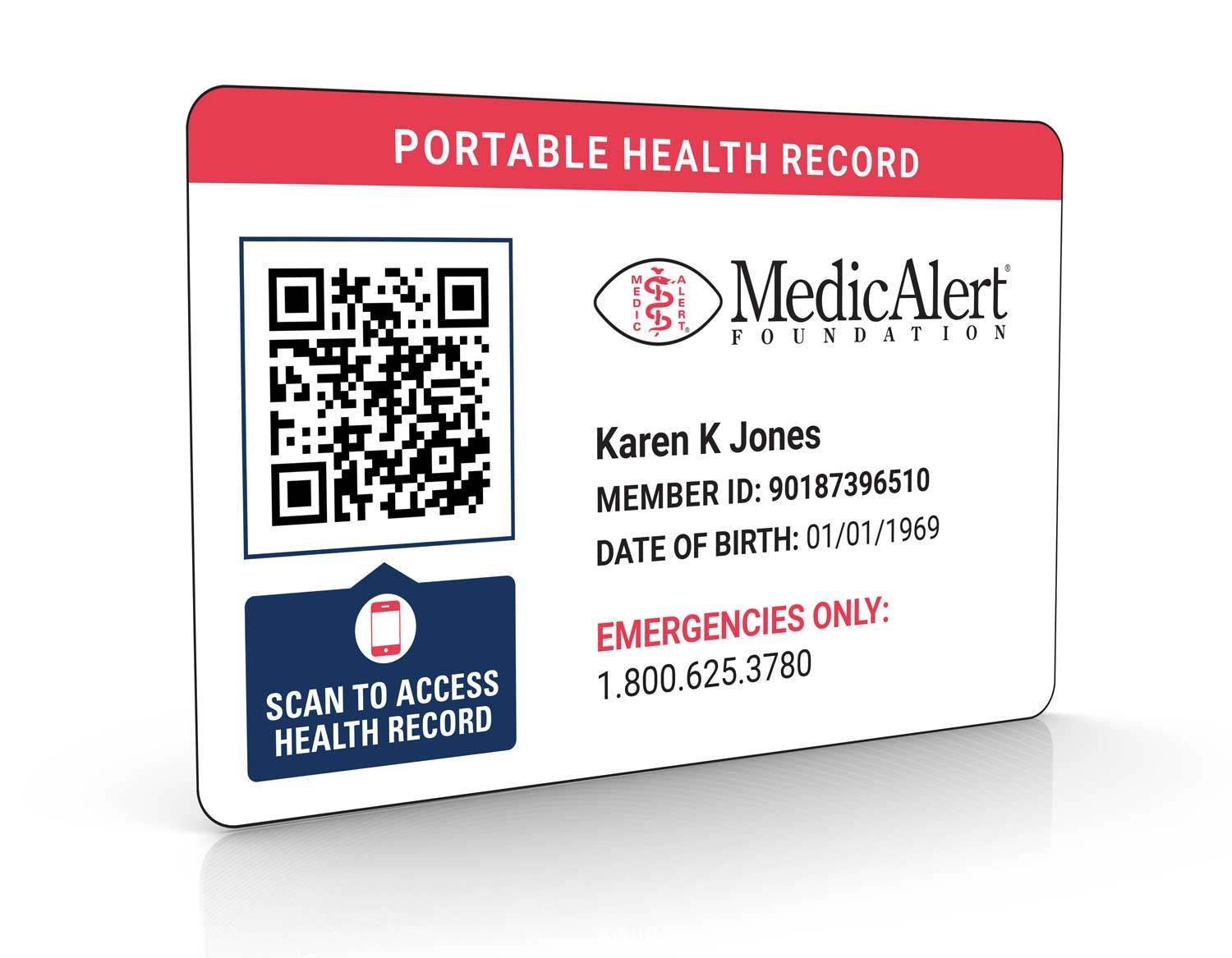
Your MedicAlert ID can be a lifesaver—literally. Make sure your health profile is up-to-date, and that your emergency contacts are accurate. Also, always let friends and family know how to help you in an emergency, just in case.
Bottom line? You can absolutely enjoy summer without sacrificing your health. By following these summer health tips, your medical condition doesn’t have to keep you from living your sunniest life.
So go on and dive into summer–just do it wisely!
Live confidently with MedicAlert
MedicAlert Membership
24/7 Protection
MedicAlert Member Benefits
Enjoy life-saving benefits and store your comprehensive health history for emergency treatment.
Wearable Medical IDs
for Any Condition
Wearable MedicAlert IDs
A medical ID communicates vital medical information to first responders so you can receive the care you need.
QR Code IDs
Scannable Medical IDs
QR Code Digital IDs
Perfect for people with multiple conditions and complicated histories.