

a048abfc-c8ee-46d5-b5ae-c628a98edb4c

How to Prepare for an Emergency with MedicAlert

Less than 20% of people living in the U.S. have an emergency preparedness plan. Let’s see what you can do to be prepared.

Emergencies can happen anytime, anywhere — and often when we least expect them. From wildfires and floods to sudden medical events and accidents, being prepared is the best way to protect yourself and your loved ones.

If you’ve ever wondered how to prepare for an emergency, the good news is that it doesn’t have to be overwhelming. Preparedness is about making small, practical choices every day so you’re ready when it matters most. Having a plan, keeping critical health information accessible, and making a few lifestyle adjustments can save lives when seconds count.

MedicAlert is here to help you stay ready — every day, all year long.

Why Emergency Preparedness Matters

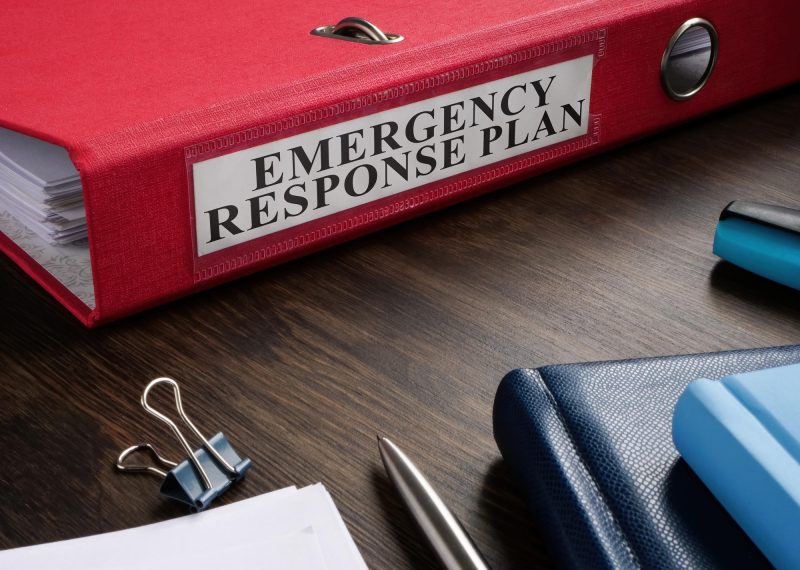
An emergency preparedness plan (EPP) refers to the steps you take to make sure you and your family are safe before an emergency happens. Because emergencies can happen without warning — whether it’s severe weather, a power outage, a medical emergency, or a natural disaster.

Yet many people aren’t as prepared as they’d like to be. FEMA reports that fewer than 42% of U.S. households have created an emergency plan, and less than 20% feel fully prepared. Taking action now reduces stress, protects your loved ones, and gives you peace of mind knowing you’ll have what you need when the unexpected happens.

What is the purpose of an emergency preparedness plan?

The goal of any emergency preparedness plan (EPP) is to save your life if you are in a disaster or other emergency situation. Being prepared in the event of a disaster can help prevent injuries and fatalities. 

Below is a simple, 3-step emergency preparedness plan:

Step 1: Build your emergency kit

It is recommended that everyone include basics like these in their emergency kit:

Food & Water
for at least 3 days

First Aid Kit
and prescribed meds

Local Paper Maps
to help with navigation

Hand Tools
like a wrench or pliers

Flashlight or Lantern
with batteries or crank

Emergency Radio
crank or batteries

Whistle
to signal for help

Contact Information
of emergency contacts

Pet Supplies
for care and comfort

Dust Mask
for airborne pollutants

Games & Toys
to comfort children

In addition to building a basic emergency kit, people living with chronic medical conditions need to consider a few extra things. You need to be able to safely treat or manage your unique healthcare needs, potentially for days or weeks. Determine what you need to live and successfully manage your condition for an extended amount of time – items that extend beyond the basic first aid items.

  • Insulin & refrigeration
  • Injection or pump supplies for administering insulin
  • Glucose meter & testing strips
  • Extra batteries for pumps & testing devices
  • Glucose tablets or quick-to-carb snacks

Bottom line: you need to account for your unique needs and history.

As you can see, each chronic condition has its own unique challenges and needs. 

If you’re living with a chronic condition, make sure you include supplies for your care, as well as a copy of your complete medical history. It needs to be easily attainable and contains a list of your conditions, medications, implanted devices, surgeries, doctor contact information etc.

Pro tip!

FEMA states that while it is important to have these supplies at home, you should also consider having a smaller emergency kit stored in your car or ready to grab if you are evacuated from your home and need to leave quickly.

Once you have your kit built, be sure to maintain it by replacing expired items. It is important to reevaluate your needs each year and adjust your kit and emergency preparedness plan accordingly.

Step 2: Get the whole family involved

Every member of the household should know:

  • How to communicate if phones or power go out
  • Where to meet if you’re separated
  • Who to contact — including out-of-town emergency contacts
  • How to respond to different situations like fires, storms, or medical events

Practicing your plan and teaching family emergency response skills can make everyone calmer and more confident when it matters most.

“MedicAlert helped my wife when we were in a serious car accident. We were prepared with MedicAlert. The paramedics knew her medical conditions and medications which made all the difference. They were able to treat her quickly and fast!'

Edward & Christine, MedicAlert members since 1985

Step 3: Keep your health information accessible

In an emergency, every second matters — especially if you have chronic conditions, allergies, or take critical medications. That’s where MedicAlert plays a vital role.

With a MedicAlert ID and protection plan:

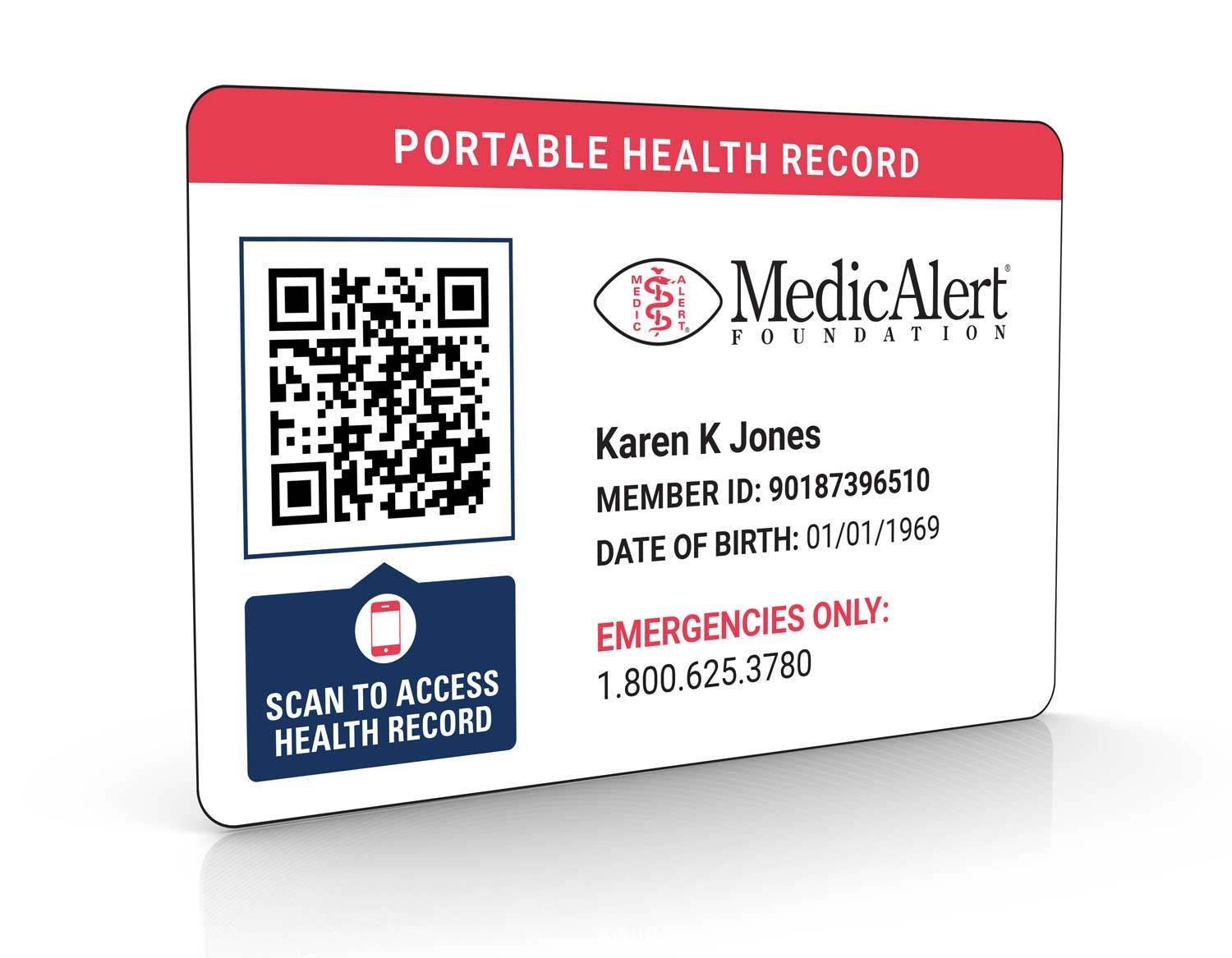
  • First responders can instantly access your digital health profile.
  • Key details like conditions, medications, and allergies are available 24/7.
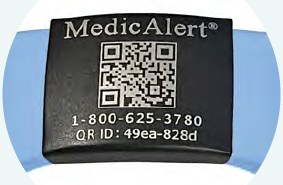
  • QR code-enabled Smart IDs and stickers attach to your kit, phone, or mobility aids.
  • You’ll have peace of mind knowing you’re covered — even if you can’t speak for yourself.

How do you become a MedicAlert member?

If you are unable to communicate in an emergency, MedicAlert will communicate your critical health information for you to first responders, so you’ll receive the care you need, at the moment you need it.

24/7 Emergecy Response Team relays your vital health information to first responders, ensuring fast and accurate care.

Digital Health Profile
securely stores your critical health information, like allergies, medications, and history.

Care Instructions & Directives
let first responders know all the important information they need to care for you.

To become a MedicAlert member, find your ID and select a protection plan for the coverage you need.

What should you engrave on a MedicAlert ID?

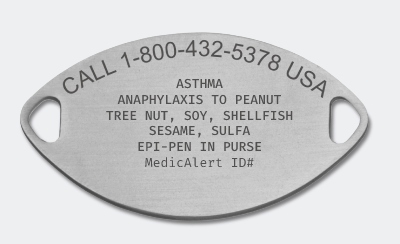
All MedicAlert medical IDs feature free custom engraving or a QR code encrypted with your vital medical information. Engraving should include any critical medical information that can help protect and save your life if you are in a natural disaster, catastrophe, or other emergency.

As part of your emergency preparedness plan, you should engrave several key pieces of information on your MedicAlert ID. Examples include:

  • Name and address.
  • Conditions.
  • Medications.
  • Assistive and other medical devices.
  • Designated physician and emergency contact information. 
medical IDs for asthma
qr code medical ID

Live confidently with MedicAlert

MedicAlert Membership
24/7 Protection

Learn more →

MedicAlert Member Benefits

Give yourself and your loved one peace of mind with a MedicAlert membership.

Enjoy life-saving benefits and store your comprehensive health history for emergency treatment.
Become a Member

Wearable Medical IDs
for Any Condition

Learn more →
Wearable MedicAlert IDs

MedicAlert is the inventor of and leader in wearable medical identification.

A medical ID communicates vital medical information to first responders so you can receive the care you need.
Shop Wearable IDs

QR Code IDs
Scannable Medical IDs

Learn more →

QR Code Digital IDs

Protect yourself by storing critical information about your conditions, medications, and implanted devices accessible via a QR code ID.

Perfect for people with multiple conditions and complicated histories.
Shop QR Code IDs